May 14, 2026

What Is Directional Drilling
and How Does It Work?

When a water line, sewer lateral, or utility conduit needs to go underground, the default approach has always been to dig a trench from one end to the other. That works fine when there is nothing in the way. It becomes a different story when the path runs beneath a paved driveway, an active city street, a neighboring property line, or a yard full of mature trees.

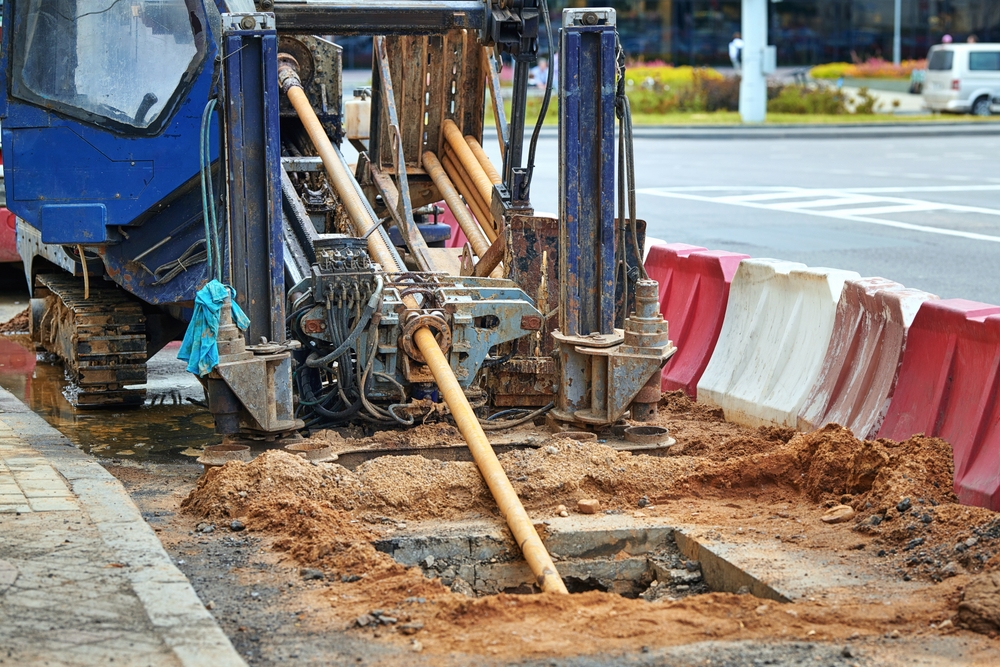
Directional drilling solves that problem. Also called horizontal directional drilling (HDD), this method uses a steerable underground drill to create a bore path between two points without tearing up the surface above. The result is a fully installed utility line with minimal evidence that any work was done.

Interest in directional drilling has been climbing steadily, and it is not hard to see why. Property owners, municipalities, and contractors across Green Bay, Appleton, and the Fox Valley are choosing HDD over open trenching because it protects their properties, shortens project timelines, and often costs less when total restoration expenses are factored in.

At Van Rite Plumbing, directional drilling is one of our core specialties. If you have a project that requires underground pipe installation, contact our team for a site evaluation.

The Three Stages of a Directional Drill

Every horizontal directional drilling project follows the same basic sequence, whether the bore is running beneath a residential driveway or under a four-lane highway.

Stage 1: Pilot Bore

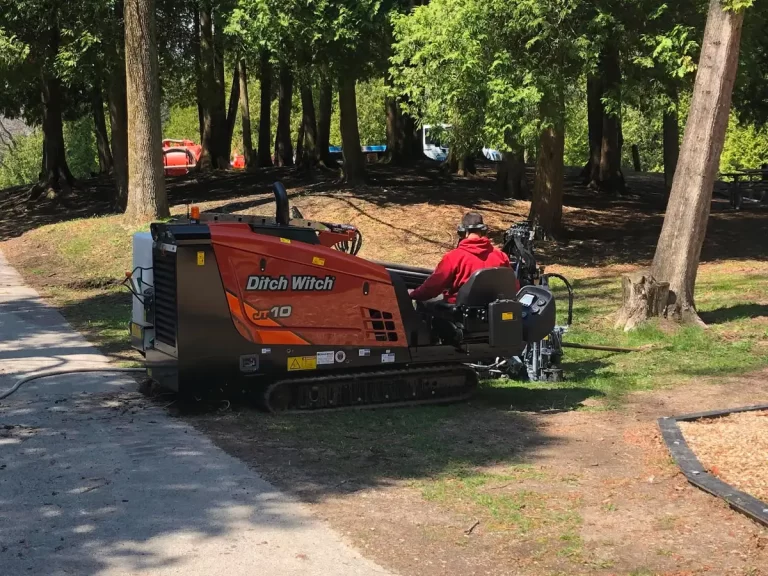
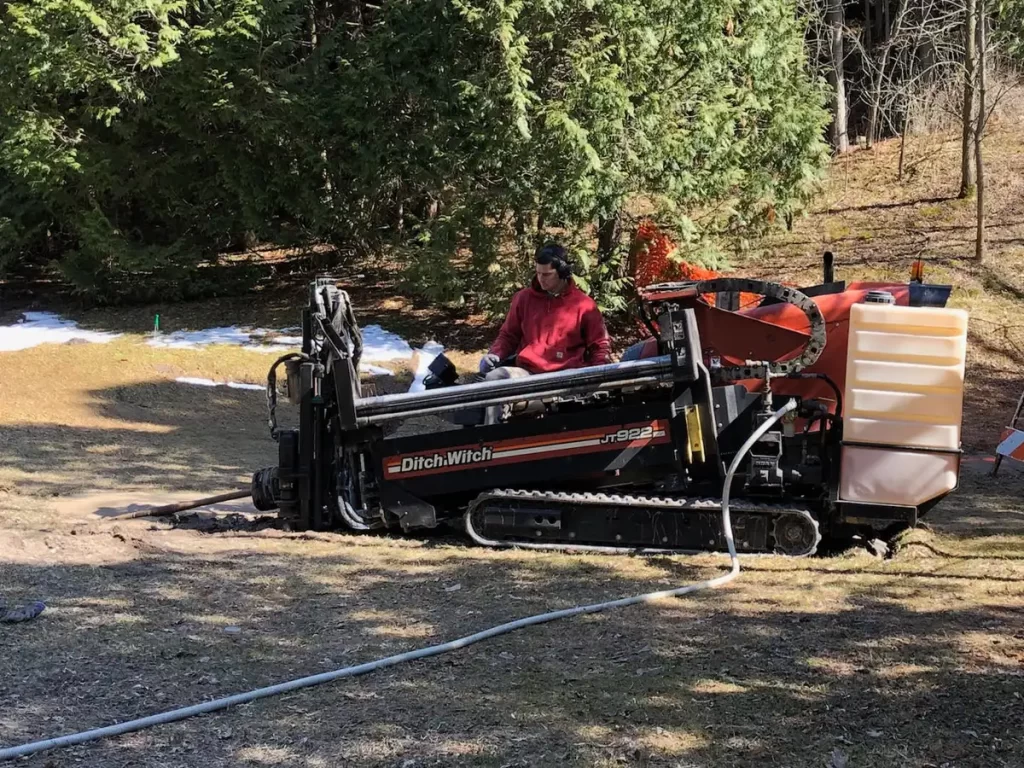
A compact drilling rig launches a steerable drill head into the ground at a shallow angle. An electronic tracking system communicates the drill head’s exact position, depth, and direction back to the operator in real time. If the bore path needs to curve around an existing utility, change depth, or correct its trajectory, the operator makes those adjustments on the fly. This level of precision is what separates directional drilling from older blind-boring methods.

Stage 2: Reaming

After the pilot bore reaches the planned exit point, the drill head is swapped out for a reamer, a wider cutting tool that expands the borehole to accommodate the new pipe. For larger-diameter installations, the crew may run multiple reaming passes to gradually widen the hole.

Stage 3: Pullback

The new pipe is attached and pulled back through the bore from exit to entry. Once pullback is complete, the utility line is seated underground. The only surface evidence is two small access points, which are restored shortly after.

Why Directional Drilling Is Replacing Traditional Trenching 

Open-cut trenching still has a place for simple, short runs in undeveloped ground. For most other situations, directional drilling has become the preferred method. The following are factors driving that shift:

Properties Stay Intact

Traditional trenching digs up everything between the entry and exit points: driveways, sidewalks, landscaping, tree roots, and irrigation systems. All of it has to be rebuilt after the pipe goes in. Directional drilling avoids the demolition entirely. For homeowners who have invested in their property, this is often the deciding factor.

The True Cost Is Often Lower 

A trenching estimate can look competitive on paper until restoration costs start adding up:

  • Driveway or sidewalk demolition and re-pouring
  • Landscape restoration and re-sodding
  • Tree removal or root remediation
  • Road closure permits and traffic control

When those expenses are factored in, directional drilling is frequently the more economical option overall.

Faster Timelines, Even Through Frozen Ground 

Most residential directional drilling bores are completed within a single day. A comparable trenching project might stretch across several days once excavation, backfill, and surface restoration are accounted for. Directional drilling equipment also bores through frozen Wisconsin soil directly, keeping winter projects on schedule even when municipal grant funding deadlines do not pause for weather.

Common Directional Drilling Applications for Property Owners 

Many homeowners across Wisconsin, including areas like Green Bay, Appleton, Neenah, Kimberly, and Sheboygan, typically first encounter directional drilling when their city notifies them about a water service line replacement. This common residential application is often coordinated directly between the homeowner, the municipality, and the drilling contractor.

Other residential projects that frequently use directional drilling include:

  • New sewer lateral installations beneath established driveways or landscaping
  • Water line connections for additions, detached garages, or new construction on developed lots
  • Replacement of failing utility lines that run beneath a structure, patio, or retaining wall

For property owners dealing with a sewer issue specifically, directional drilling is sometimes paired with other underground methods. A camera inspection might reveal that the existing line can be saved with a pipe lining repair rather than full replacement, or that the line’s path needs to change entirely, which is where HDD comes in.
How Municipalities and Contractors Rely on Directional Drilling 

Van Rite Plumbing has partnered with public works departments across northeast Wisconsin, including Green Bay, De Pere, Appleton, Kimberly, Oconto, and Port Washington. For these municipalities, directional drilling is a critical tool for infrastructure projects where open-cut methods would be disruptive, expensive, or logistically difficult.

Typical municipal directional drilling work includes:

  • Water main extensions and service line replacements beneath active streets
  • Storm sewer and sanitary sewer installations in areas with congested existing utilities
  • Lead service line replacement programs funded through EPA and Wisconsin DNR grants
  • Conduit installations for fiber optic and communication infrastructure

Schedule a Directional Drilling Consultation 

Van Rite Plumbing has been the trusted underground utility contractor for homeowners, municipalities, and commercial contractors throughout northeast Wisconsin since 2006. Our team specializes in directional drilling in Green Bay and the surrounding communities, backed by a full range of trenchless underground services and hydro excavation capabilities.

If your project requires underground pipe installation without the disruption of open trenching, contact Van Rite Plumbing to schedule a site evaluation.
Reach out to us

Call us anytime between 7AM – 4PM.

Email Us
Location
we can help

Start today

    How Hydro Excavation Makes Wisconsin Winter Excavation Possible

    How Hydro Excavation Makes Wisconsin Winter Excavation Possible

    Wisconsin’s long, frigid winters pose extra challenges for construction and infrastructure projects; once the first freeze of the season hits, the ground becomes nearly impossible to dig through with the same efficiency as in the warmer months, increasing costs and significantly delaying timelines.

    Hydro excavation offers an effective solution for excavating projects even in the dead of winter. This specialized service simultaneously melts ice and breaks up the ground, making it ideal for use in Wisconsin. VanRite Plumbing will help you save time and money with this environmentally friendly excavation technique; contact us today to get started.

    What is Hydro Excavation?

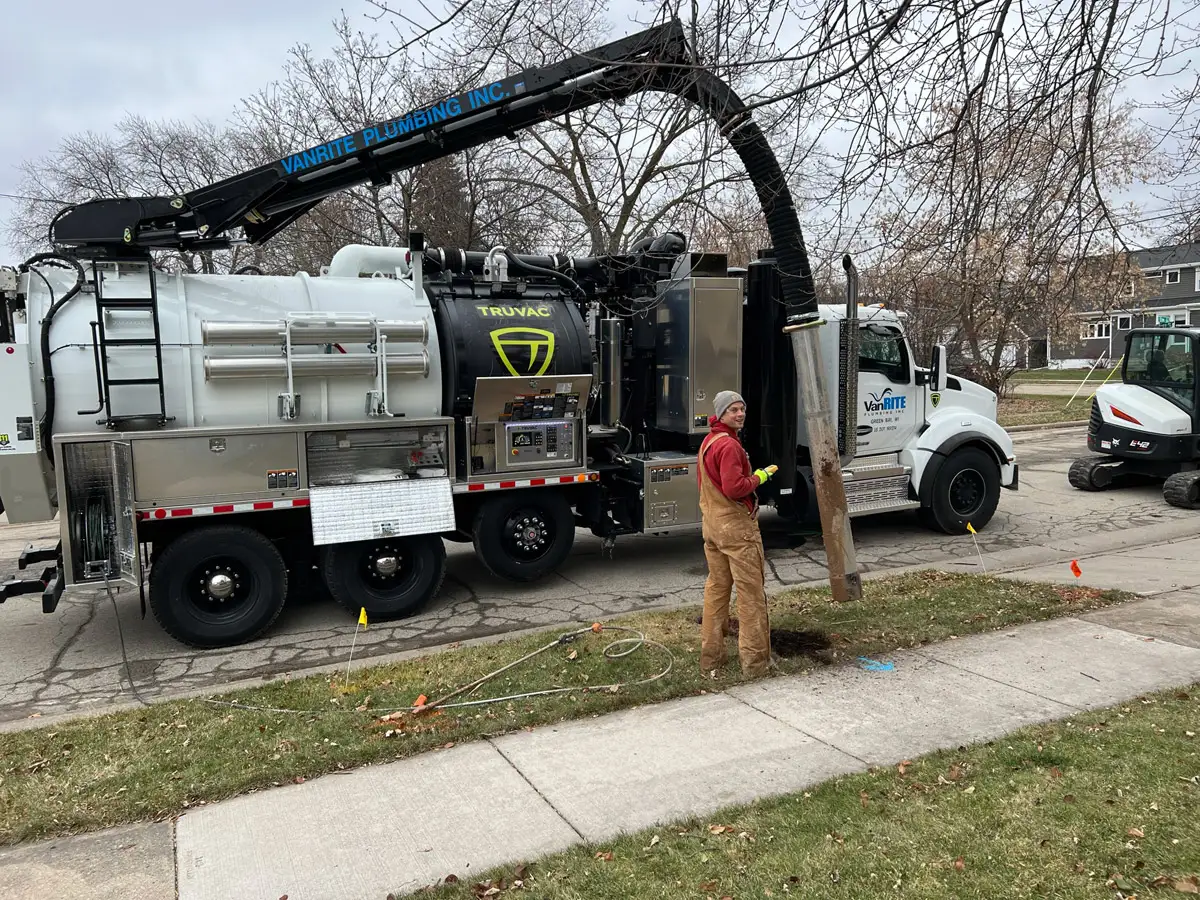
    Hydro excavation (sometimes called hydrovac excavation) is a modern digging technique that uses high-pressure water combined with a powerful vacuum system to break apart soil and safely remove debris. Instead of tearing into the ground with heavy mechanical equipment, pressurized water liquefies the soil while a vacuum immediately removes it into a holding tank.

    This method provides a precise, non-destructive way to expose underground infrastructure such as water lines, sewer systems, gas pipes, and electrical conduits. Because the process is controlled and accurate, it is ideal for working around sensitive underground utilities and tight job sites.

    One of the biggest advantages of hydro excavation in Wisconsin is its effectiveness during winter. Heated water can cut through frozen ground, making it possible to continue excavation projects even when traditional digging methods would struggle or fail.

    For contractors, municipalities, and property owners, this technology provides a safer and more efficient way to perform underground work year-round.

    Hydro Excavation vs Traditional Excavation

    Traditional excavation typically relies on backhoes, trenchers, and other heavy machinery to dig into the ground. While effective in warmer months, these methods become slower and more risky in winter conditions when the soil freezes solid.

    Hydro excavation provides a smarter alternative. By using heated water and vacuum technology, crews can break through frozen soil quickly while maintaining precise control over the excavation process.

    Protects Utilities with Soft-Dig Method

    One of the most significant advantages of hydro excavation is its “soft-dig” approach. Instead of aggressively tearing into the ground, the pressurized water gently loosens soil while exposing buried utilities.

    This dramatically reduces the risk of damaging underground infrastructure, such as:

    • Gas lines
    • Electrical conduits
    • Water mains
    • Sewer systems
    • Communication cables

    For municipalities and contractors working in established neighborhoods or commercial areas, this added safety can prevent costly repairs and dangerous utility strikes.

    Quicker Timelines Mean Less Winter Exposure

    Winter construction projects often face tight weather windows. When crews spend extra time fighting frozen ground, project timelines can quickly fall behind.

    Hydro excavation accelerates digging by cutting through frozen soil more efficiently than mechanical equipment, allowing crews to complete excavation tasks faster. Faster excavation means less exposure to winter weather, fewer delays, and smoother project schedules.

    No Ground Thawing Necessary

    Traditional winter excavation sometimes requires pre-thawing frozen soil using heaters or ground-thaw blankets. This process can take hours or even days before digging can begin.

    Hydro excavation eliminates this step. Because the system uses heated pressurized water, it can break through frozen ground immediately, allowing crews to begin excavation without additional preparation.

    Less Debris for Cleaner Workspaces

    Mechanical excavation often creates piles of soil and debris around the worksite. These piles can freeze, spread mud, or create hazardous conditions in winter weather.

    With hydrovac technology, loosened soil is immediately vacuumed into a containment tank. This keeps the worksite cleaner and reduces the need for additional cleanup after the excavation process.

    Smaller Team Lowers Costs

    Because hydro excavation relies on specialized equipment rather than multiple heavy machines and manual labor, it typically requires a smaller crew to complete the job.

    Fewer workers, faster digging, and reduced cleanup requirements often translate into lower overall project costs, especially for winter excavation projects where labor and equipment time can quickly add up.

    Types of Projects Hydro Excavation Can Be Used For

    Hydro excavation is incredibly versatile and can support a wide range of underground construction, maintenance, and infrastructure projects throughout Wisconsin.

    Common applications include:

    These services are especially valuable for municipalities and contractors working on water, sewer, and underground infrastructure projects, where precision excavation is critical to protecting existing systems.

    Hydrovac excavation is also frequently used alongside trenchless technologies such as directional drilling and pipe replacement, allowing crews to access underground utilities with minimal surface disruption.

    Move Your Wisconsin Winter Project Forward with Hydro Excavation

    Winter doesn’t have to bring excavation projects to a halt. With hydro excavation, contractors and municipalities can continue underground work safely and efficiently, even when the ground is frozen solid.

    By using heated water and vacuum technology, hydro excavation allows crews to dig precisely, protect existing utilities, and maintain cleaner job sites while avoiding the delays associated with traditional excavation methods.

    At VanRite Plumbing, our team specializes in hydro excavation and trenchless underground services throughout Wisconsin. With advanced equipment and years of experience working on municipal and infrastructure projects, we deliver accurate excavation with minimal disruption to your property.

    If you’re planning a project this winter, contact VanRite Plumbing today to learn how hydro excavation can keep your timeline moving forward.

    Trenchless Sewer Repair in Wisconsin: Is It Worth It?

    Trenchless Sewer Repair in Wisconsin: Is It Worth It?

    Trenchless Sewer Repair in Wisconsin: Is It Worth It?

    When most Wisconsin homeowners hear they have a sewer line problem, they imagine torn-up lawns, broken driveways, and weeks of disruption. Traditional sewer repair has earned that reputation. But modern plumbing has come a long way.

    Trenchless sewer repair is a newer, minimally invasive alternative that allows damaged sewer lines to be repaired or replaced without digging large trenches across your property. While the method is unfamiliar to many homeowners, it’s quickly becoming the preferred solution across Wisconsin, especially for aging sewer systems.

    So what exactly is trenchless sewer repair, how much does it cost, and is it really worth it?

    What Is Trenchless Sewer Repair? 

    Trenchless sewer repair is a method of fixing underground sewer pipes without excavating the entire length of the line. Instead of digging up your yard, driveway, sidewalk, or landscaping, plumbers access the sewer line through small entry points and complete the repair from underground.

    At Van Rite Plumbing, trenchless sewer solutions are a specialty, not an add-on service. They focus exclusively on underground plumbing, using advanced technology to repair sewer lines with minimal disruption throughout Wisconsin.

    There are two main types of trenchless sewer repair:

    Types of Trenchless Sewer Repair 

    1. Trenchless Sewer Pipe Lining (CIPP) 

    Pipe lining, also called Cured-In-Place Pipe (CIPP), repairs a damaged sewer line from the inside.

    Here’s how it works:

    • A camera inspection is performed to assess pipe condition
    • The sewer line is cleaned and cleared
    • A flexible liner coated in resin is inserted into the existing pipe
    • The liner is cured in place, creating a new, seamless pipe inside the old one

    This method is ideal for:

    • Cracked pipes
    • Root intrusion
    • Corrosion
    • Minor structural damage

    2. Trenchless Sewer Pipe Replacement (Pipe Bursting) 

    When a sewer line is severely damaged or collapsed, pipe bursting may be the better option.

    This method:

    • Breaks apart the old pipe underground
    • Pulls a brand-new pipe into place behind it
    • Requires only small access points instead of full excavation

    Pipe bursting allows full sewer replacement without destroying your property.

    How Much Does Trenchless Sewer Repair Cost in Wisconsin?

    Costs vary based on pipe length, depth, material, and method used, but here’s a general range:

    Typical Trenchless Sewer Repair Costs

    • Pipe lining: $5,000 – $15,000
    • Pipe bursting: $7,000 – $20,000

    At first glance, trenchless repair may seem more expensive than traditional digging. However, that comparison often ignores hidden costs.

    Traditional Sewer Repair Often Includes: 

    • Landscape restoration
    • Driveway or sidewalk replacement
    • Tree removal
    • Longer labor timelines
    • Additional permits

    When those costs are factored in, trenchless repair is often equal to or even less expensive overall.

    Lifespan of Trenchless Sewer Repair 

    One of the biggest advantages of trenchless sewer repair is longevity.

    • Pipe lining: 40–50+ years
    • New trenchless replacement pipes (PVC or HDPE): 50–100 years

    These materials are:

    • Resistant to corrosion
    • Root-proof
    • Designed for Wisconsin freeze-thaw cycles

    In many cases, trenchless repair outlasts traditional pipe materials found in older Wisconsin homes.

    Pros & Cons of Trenchless Sewer Repair 

    Pros 

    Minimal Property Damage
    No torn-up lawns, driveways, patios, or landscaping.

    Faster Completion
    Many trenchless sewer repairs are completed in 1–2 days, not weeks.

    Long-Term Durability
    Modern materials outperform clay and cast-iron pipes common in older homes.

    Lower Overall Restoration Costs
    No need to rebuild what excavation destroys.

    Environmentally Friendly
    Less soil displacement and reduced waste.

    Cons 

    Higher Upfront Cost (Sometimes)
    Initial pricing may appear higher before restoration savings are considered.

    Not Every Pipe Qualifies
    Completely collapsed or misaligned pipes may require full replacement.

    This is why a camera inspection by a trenchless specialist is essential before choosing a method.

    Is Trenchless Sewer Repair Worth It? 

    For most homeowners, yes — absolutely.

    Trenchless sewer repair is worth it if you:

    • Want to protect your yard, driveway, or landscaping
    • Prefer a faster repair timeline
    • Own an older home with clay or cast-iron pipes
    • Want a long-term solution instead of repeated repairs

    It’s especially valuable in Wisconsin, where freezing temperatures and soil movement put added stress on underground plumbing.

    Why Wisconsin Homeowners Trust Van Rite Plumbing 

    Not all plumbers specialize in trenchless work. At Van Rite Plumbing, underground sewer and water services are their primary focus.

    We offer:

    • Advanced sewer camera inspections
    • Trenchless pipe lining
    • Trenchless sewer replacement
    • Decades of combined experience in Wisconsin soil conditions

    Van Rite works throughout Wisconsin, partnering with homeowners and municipalities to replace aging sewer infrastructure efficiently and responsibly.

    Schedule a Trenchless Sewer Inspection Today 

    If you’re dealing with slow drains, backups, sewer odors, or yard issues, trenchless sewer repair may be the solution, without destroying your property.

    The best first step is a professional sewer inspection.

    Contact Van Rite Plumbing today to find out if trenchless sewer repair is right for your home.

    How Do I Know If I Have a Sewer Line Problem? Common Warning Signs Wisconsin Homeowners Miss

    How Do I Know If I Have a Sewer Line Problem? Common Warning Signs Wisconsin Homeowners Miss

    Many homeowners don’t realize they have a sewer line issue until it becomes a major (and messy) problem. Recognizing early warning signs can help you avoid costly damage and protect your property. Early detection can save you thousands in emergency repairs.

    Why Catch Sewer Line Issues Early? 

    Subtle plumbing issues can escalate into cracked pipes, sewage backups, and structural damage. In Wisconsin, especially around Green Bay, many homes have aging sewer pipes made of clay or cast iron. These are prone to cracking and tree root invasion. Catching issues early often means simpler repairs like clearing a clog or lining a pipe, instead of full replacement.

    At Van Rite Plumbing, we specialize in underground plumbing solutions. Offering camera inspections, hydro excavation, and trenchless pipe replacement to diagnose and fix sewer problems with minimal disruption.

    Warning Signs of a Sewer Line Problem 

    Each household is different, but these common red flags are indicators of sewer line trouble. If you notice one or more, it might be time to call in a professional.

    1. Slow Drains Throughout the House 
      If multiple sinks, tubs, or showers are draining slowly, it could mean a blockage in your main sewer line. Even if the water eventually drains, clogs from grease or roots may be growing. Don’t ignore it – get a drain cleaning or camera inspection.

    2. Frequent Clogs and Backups 
      Regular clogs in several fixtures suggest a bigger issue. A system-wide blockage or pipe damage, like invasive roots or a collapse, may be the cause. Clearing a single drain won’t fix the root problem.

    3. Gurgling or Bubbling Noises
      Strange noises from drains or toilets usually mean trapped air from a blockage or poor venting. If you hear gurgling after flushing or using appliances, have your sewer line inspected.

    4. Foul Sewer Odors Indoors or Outside 
      Sewer smells are a sign that something is wrong. A sealed sewer system shouldn’t release odors. A cracked pipe or a blocked vent may be leaking sewer gas, which can pose health risks.

    5. Water Backing Up in Other Fixtures 
      If flushing the toilet causes water to back up into the shower or running the washer overflows the floor drain, the main sewer line might be blocked. This is an urgent issue that needs immediate attention.

    6. Wet Spots or Extra Green Patches in the Yard 
      A soggy lawn or an unusually lush patch could signal a leaking underground pipe. Sewage acts like fertilizer and causes localized overgrowth. This may lead to health risks or yard damage.

    7. Unexpected Pest Infestations 
      Rodents and insects love sewer access. Cracked pipes give them entry into your home. If you see pests appearing suddenly, check your sewer line. Repairing broken pipes cuts off their route.

    8. Mold, Mildew, or Musty Odors 
      Unexplained mold or persistent musty smells might be caused by a slow sewer leak. Mold grows in damp environments fed by leaking pipes. Identifying and fixing the leak is key to stopping the problem.

    9. Cracks in Foundation or Sinkholes 
      A leaking sewer line can erode soil under your home. This leads to cracks in your foundation or even sinkholes in the yard. Foundation damage is serious and needs immediate investigation.

    10. Unexplained Spike in Your Water Bill 
      A sudden increase in your water bill might point to a hidden leak. If usage hasn’t changed and you can’t find any obvious leak, have both water and sewer lines inspected.

    What To Do if You Notice Sewer Line Warning Signs 

    Don’t wait. If you see any of these signs, call Van Rite Plumbing for an inspection. We use video camera inspections to pinpoint problems without tearing up your yard. Not every issue means full replacement. Sometimes, a trenchless pipe lining or targeted repair will do. If the damage is extensive, we also offer trenchless replacement to avoid major excavation.

    We use modern tools like hydro-jetting to clear clogs, pipe bursting for collapsed lines, and cured-in-place lining to fix cracks from the inside. These techniques are fast, clean, and effective. Once repairs are done, we recommend regular maintenance. Preventive steps like drain cleaning and root control can help you avoid future problems.

    If you’ve noticed any warning signs or just want peace of mind, contact Van Rite Plumbing today. We’ll explain what’s happening and offer the most efficient solution.