What Wisconsin Homeowners Should Know
Most homeowners assume their policy has them covered for anything serious. Fire, storms, theft, a tree through the roof: those are the events people picture when they think about coverage. The pipe running underground from your house to the city main is rarely on that list, and that gap is where a lot of Wisconsin homeowners get caught.
The pipe in question is your sewer lateral. When it fails, the repair almost always means digging, and the bill can climb fast. Before that happens, it helps to understand what your policy actually covers and what it quietly leaves out.
Not sure what shape your underground lines are in? A camera inspection answers that quickly. Call Van Rite Plumbing at (920) 547-2822 to schedule one.
The Coverage Gap Most Policies Leave Open
Standard homeowners insurance is built around sudden, accidental damage to the structure of your home. The sewer lateral falls outside that definition on two counts: it is buried on your property rather than inside the house, and it tends to fail gradually rather than all at once.
Because of that, most standard policies exclude repair or replacement of the lateral and other service lines, including the water, gas, and electric runs on your property. Insurers often file these failures under maintenance or wear and tear, which puts the cost back on you. Reading that fine print before a problem appears is far less stressful than reading it after.
What a Sewer Lateral Actually Is
Your sewer lateral is the underground pipe that carries waste from your home’s plumbing out to the municipal sewer main in the street. Every sink, toilet, shower, washer, and floor drain empties into it. In most Wisconsin municipalities, the section of that pipe on private property is the homeowner’s responsibility to maintain and repair, not the city’s.
Because the line is buried, trouble can build for years with no obvious sign. A slow drain, a gurgle, or a recurring backup is often the first warning sign of a sewer problem, and the longer it goes unchecked, the larger the eventual repair tends to be.
Why Sewer Laterals Fail Across Northeast Wisconsin
A few local conditions make lateral failure especially common in this part of the state:
- Freeze and thaw cycles: Wisconsin winters move the ground. Repeated freezing and thawing shift soil around the buried pipe, stressing joints and slowly pulling a line out of alignment.
- Older clay and cast iron lines: Many homes around Green Bay, Appleton, and the Fox Valley were built when clay and cast iron were standard. Both corrode or crack with age, and clay joints give roots an easy way in.
- Mature tree roots: Established neighborhoods come with established trees. Roots chase moisture, find the smallest gap in a joint, and expand until the pipe is blocked or broken.
- Settling soil and grease buildup: Ground that settles unevenly and years of accumulated grease both narrow a line and set up the blockage that finally forces a repair.
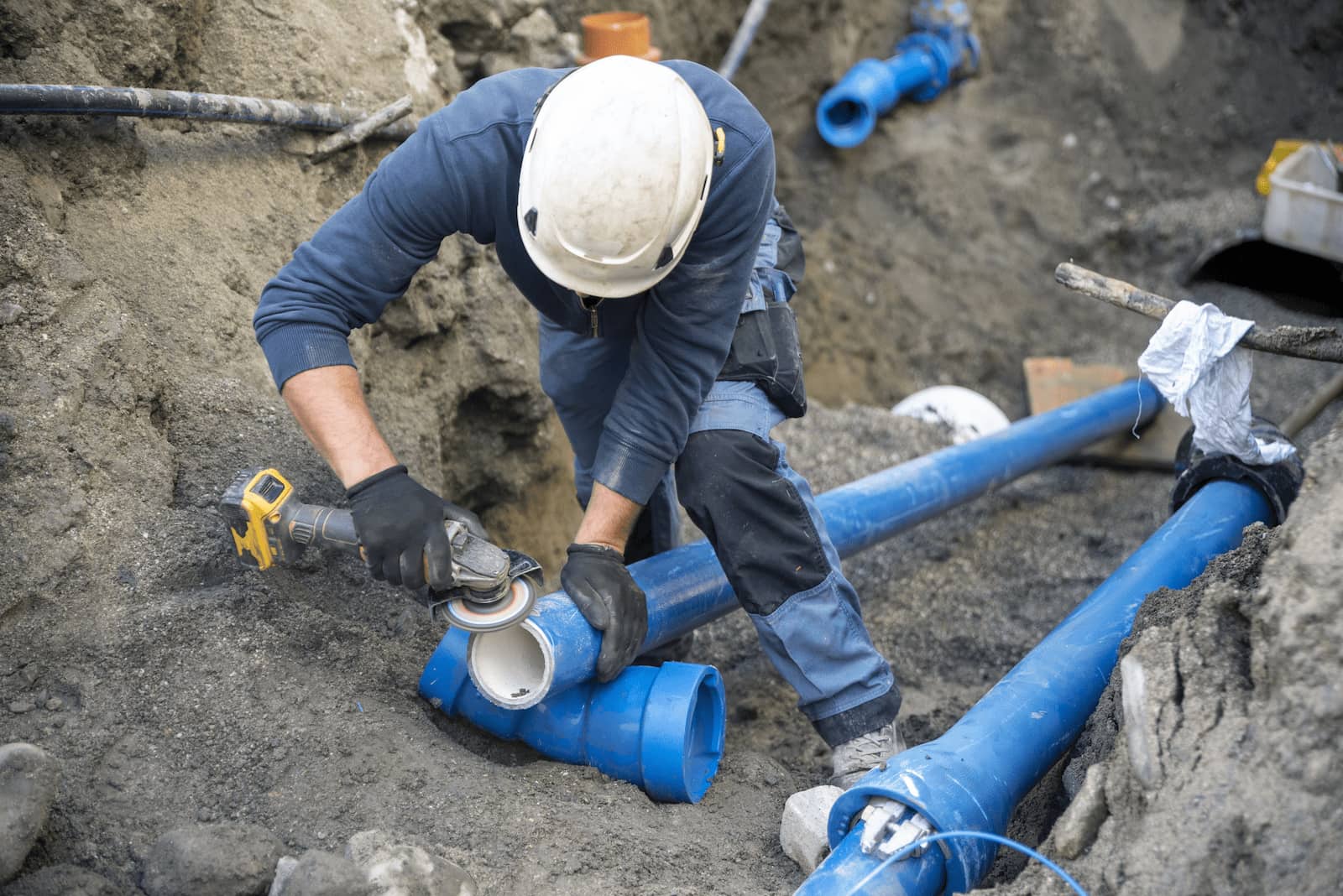
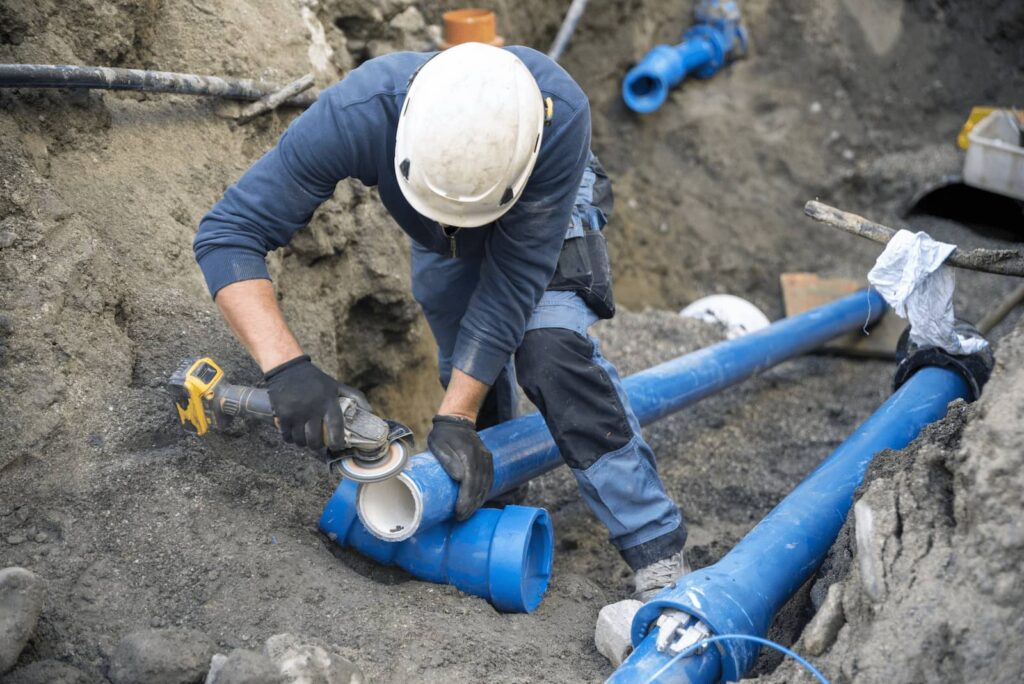
When one of these finally gives, the fix usually involves excavation, pipe work, and putting your yard back together afterward.
Questions to Ask Your Insurance Agent
The right time to call your agent is before a pipe fails. A short conversation tells you exactly where you stand. Ask:
- Does my policy cover sewer line or sewer lateral repair?
- Do I currently carry any service line coverage?
- What are the limits and the deductible for that coverage?
- Does it include excavation and the restoration of my lawn or driveway?
Write the answers down. Coverage language varies between carriers, and those details decide what you are owed when a claim is on the line.
Sewer Lateral and Service Line Endorsements, Explained
If your policy has a gap, the fix is usually an add-on. Many carriers offer a sewer lateral rider or a broader service line endorsement that attaches to your existing policy. These cost little compared to a failure and are built to cover the parts a standard policy skips:
- The excavation work needed to reach the line
- The repair or replacement of the damaged pipe
- Restoration of your lawn, landscaping, or driveway afterward
Ask your agent directly whether you carry an endorsement for underground service lines, including the sewer lateral, then confirm the limits and deductible in writing.
A current picture of your lateral makes that conversation easier. Call (920) 547-2822 to schedule a sewer camera inspection.
What a Repair Costs Without Coverage
Sewer work ranges widely. A targeted spot repair can run a few thousand dollars, while a full replacement that requires extensive digging can pass $20,000 once excavation and restoration are added in. The right approach depends on the condition of the line, which is why the choice to repair or replace your sewer line is better made after an inspection rather than a guess. Set against numbers like those, an annual endorsement is a small line item.
How Trenchless Methods Reduce the Damage
Part of what makes a lateral failure expensive is the digging and yard restoration that follow it. Trenchless methods change that math.
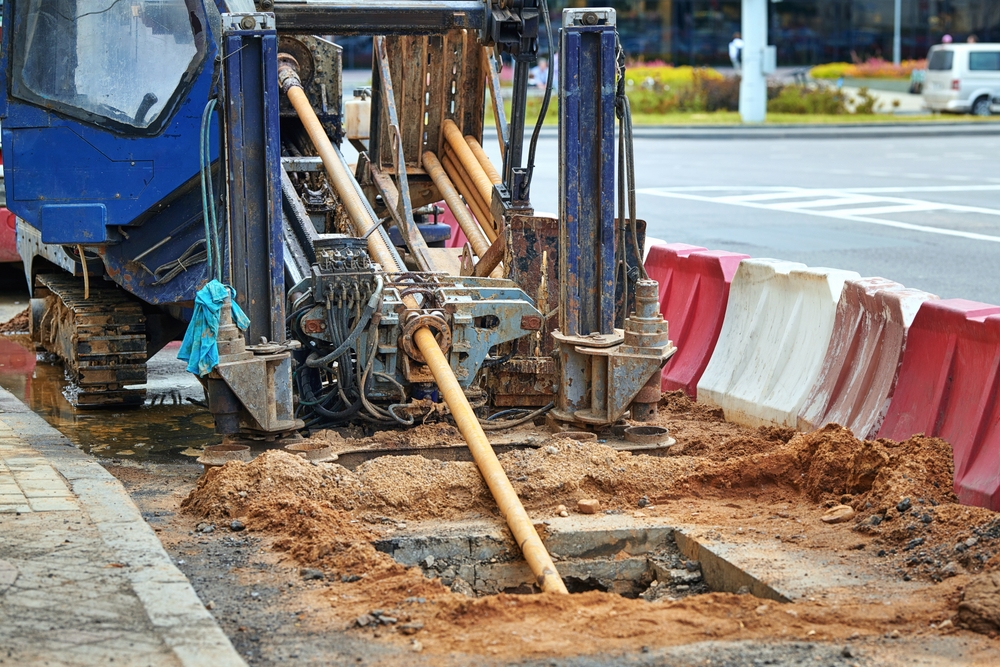
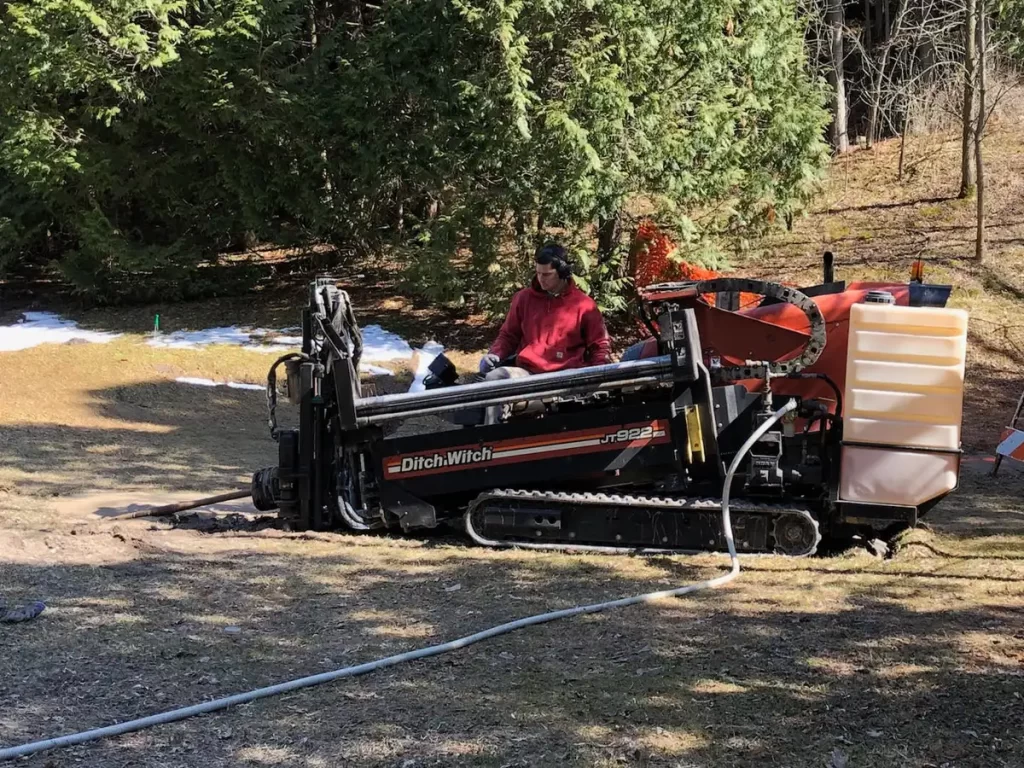
With trenchless pipe replacement, most of the work happens through small access points instead of one long open trench, so there is far less disruption to your lawn, driveway, and landscaping. Depending on the condition of the line, this can include pipe lining to rebuild the interior of the pipe or pipe bursting to pull a new line through the existing path.
Less restoration usually means a lower total cost, whether or not an endorsement covers part of the bill. Before agreeing to a full dig, it is worth asking whether a trenchless option fits your situation.
Maintenance That Prevents the Bigger Bill
Regular maintenance catches small problems while they are still small. A few services do most of the work:
- Sewer camera inspection: A camera sent through the line shows exactly what is happening underground, so a hairline crack or early root intrusion turns up before it becomes a collapse.
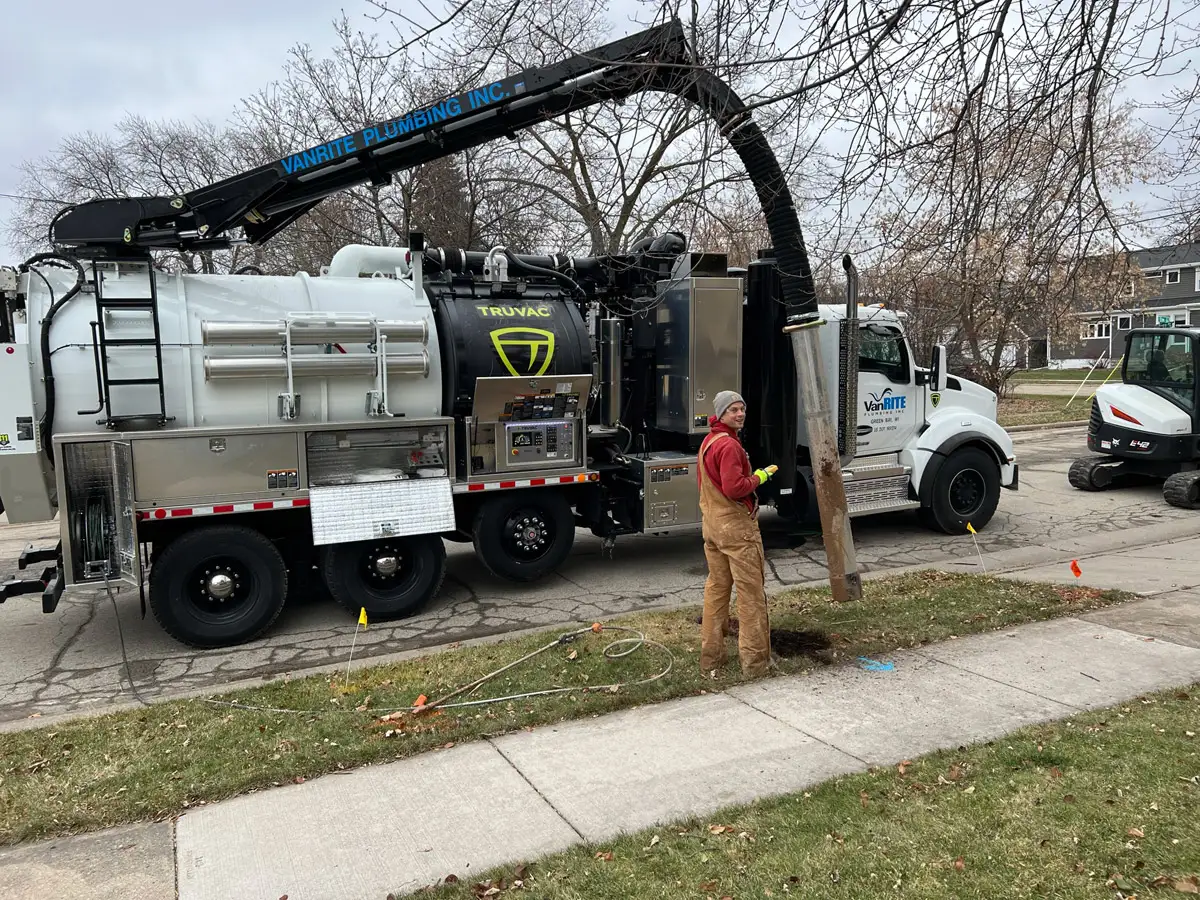
- Hydro jetting: A high-pressure flush clears grease, scale, and root matter that ordinary snaking leaves behind, restoring full flow to the pipe.
- Routine drain cleaning: Scheduled cleaning keeps buildup from reaching the point where it forces an emergency call.
- Sewer line replacement: When a line is past saving, a planned replacement on your schedule beats an emergency dig after a backup.
Older homes, properties with mature trees, and any house with a history of recurring drain trouble benefit most from staying on a schedule.
Protect Your Home Before the Next Backup
Underground line failures are one of the easier home risks to get ahead of. Two steps cover most of it. Call your insurance agent and ask about adding sewer lateral or service line coverage, and have your lateral inspected if your home is older or has never been checked.
Van Rite Plumbing works underground across the Green Bay area, the Fox Valley, and eastern Wisconsin. To request an inspection or get a repair quote, reach us at (920) 547-2822.
Frequently Asked Questions
Is the sewer lateral really the homeowner's responsibility?
In most Wisconsin municipalities, yes. The city maintains the main line in the street, but the lateral running from your home to that main is typically yours to repair. Your municipality can confirm exactly where its responsibility ends, and yours begins.
Is a sewer line endorsement worth the cost?
For most homeowners, the annual cost is minor next to a repair bill that can reach five figures. It is especially worth considering for older homes and properties with mature trees, where lateral failure is more likely.
Does homeowners' insurance cover sewer backups?
Backup coverage is usually separate from lateral repair coverage, and many standard policies exclude backups as well. Ask your agent about both, since they solve different problems.
How do I know if my lateral has a problem?
A camera inspection is the clearest answer. Recurring backups, slow drains across several fixtures, or gurgling sounds are common early signs that something underground needs attention.